What Makes a Porta Potty ADA Accessible?
An accessible unit is bigger and built for a wheelchair to turn around inside it. ADA Standards section 304.3.1 calls for a 60 inch diameter turning circle, so the floor space inside has to clear that before anything else matters. The door opening has to be at least 32 inches wide under section 404.2.3, wider than a standard unit's door, so a wheelchair or walker fits through without a fight. Grab bars sit at a fixed height, the latch operates with one hand, and section 309.4 requires no tight grasping or pinching and no more than 5 pounds of force to work it. Section 302.1 also requires the floor and the ground pad under the unit to be stable, firm and slip resistant, which is why placement on gravel or soft turf needs a mat or a paved pad. If you're comparing this to the standard porta potty rental most sites default to, the difference is mostly interior room and hardware, not a different tank. Anyone building out a full portable restroom rental plan for a Hayward site should size the ADA count before the standard count, not after.
How Many ADA Units Does a Hayward Job Site Need?
Start with your total toilet count under OSHA 1926.51(c)(1), then take 5 percent of that number for accessible units, rounding up so you never land at zero. A crew of 20 or fewer needs one toilet facility; from 20 up to 200 workers it's one toilet seat and one urinal per 40 people; at 200 or more it drops to one per 50. Once you know the total, how many porta potties do I need walks through the math with worked examples. A 40-person crew working a Hayward site, for instance, needs roughly two to three total units under that ratio, and section 213.2 means at least one of them has to be the accessible model even at that small a count. Construction crews should also check OSHA portable toilet requirements for the full ratio table before ordering, and general contractors coordinating a bigger buildout usually fold this into a broader construction site services order rather than booking restrooms alone.
Where Should an ADA Unit Be Placed on Site?
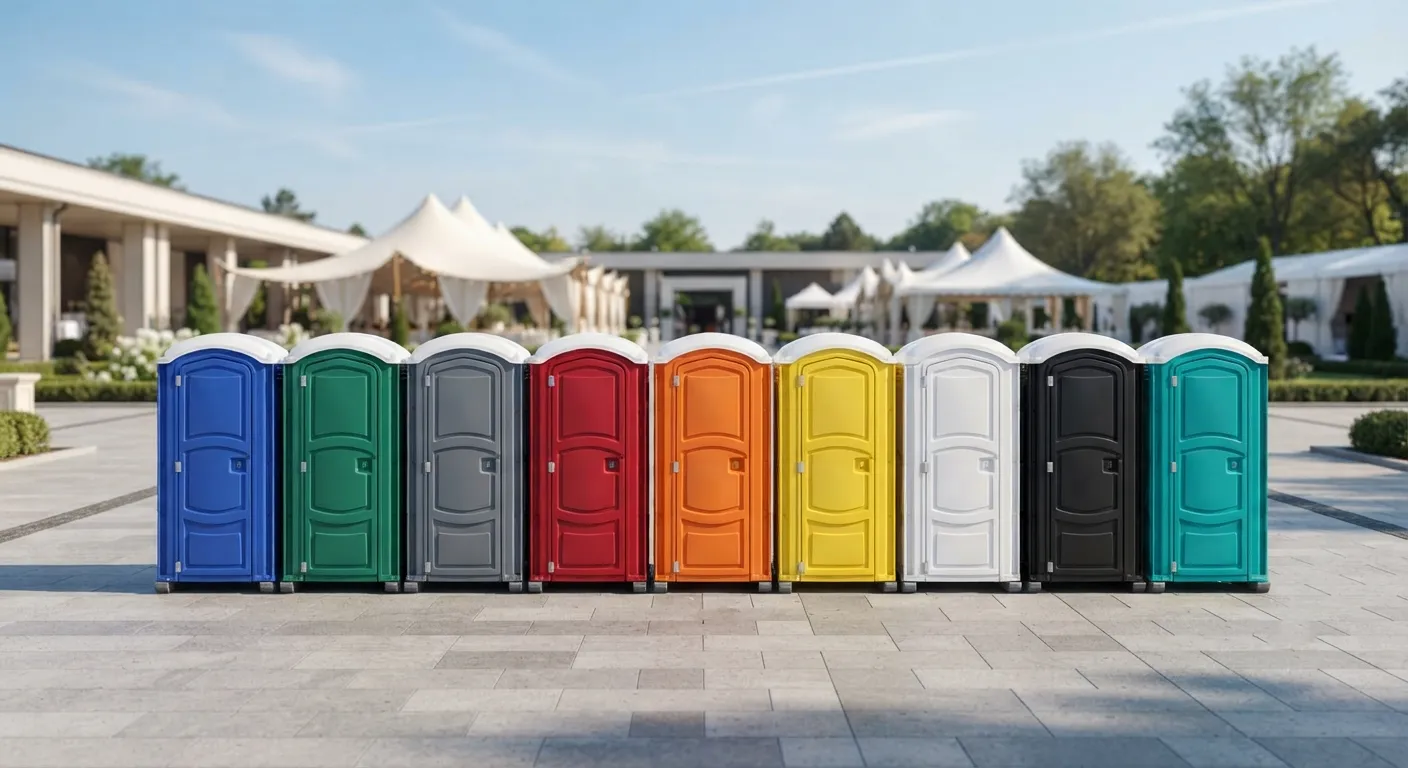
Path width matters as much as the unit itself. ADA Standards section 403.5.1 sets a 36 inch minimum clear width for the accessible route leading to the unit, and section 405.2 caps any ramp on that route at a 1:12 running slope, so a plywood ramp thrown down at a steep angle doesn't meet code even if the unit itself is compliant. Reach range matters too: section 308.2.1 sets the unobstructed forward reach at 48 inches maximum and 15 inches minimum, which is why the paper and sanitizer inside sit lower than in a standard stall. For Hayward events on pavement or packed gravel this is usually simple; for a muddy staging lot it means laying track mats ahead of delivery. Our porta potty placement guide covers ground prep and clearance for exactly this situation, and event planners setting up near draw crowds bigger than a typical job site should also read event restroom rental before finalizing a layout. If you're not sure whether a location on a public sidewalk or right of way needs sign-off, that placement needs confirming with the City of Hayward directly; we haven't verified a specific local permit rule to cite here.
Do I Need ADA Units for a Small Backyard or Home Project?
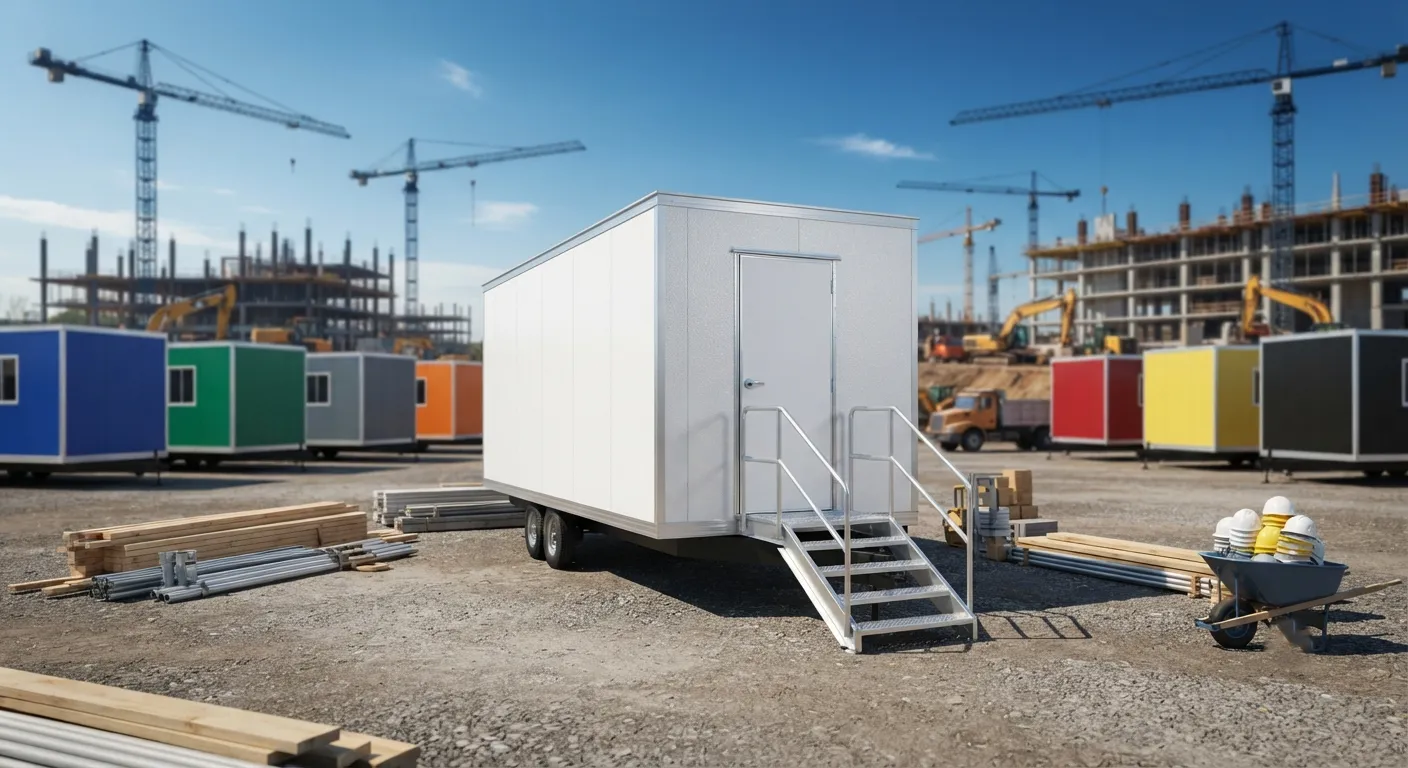
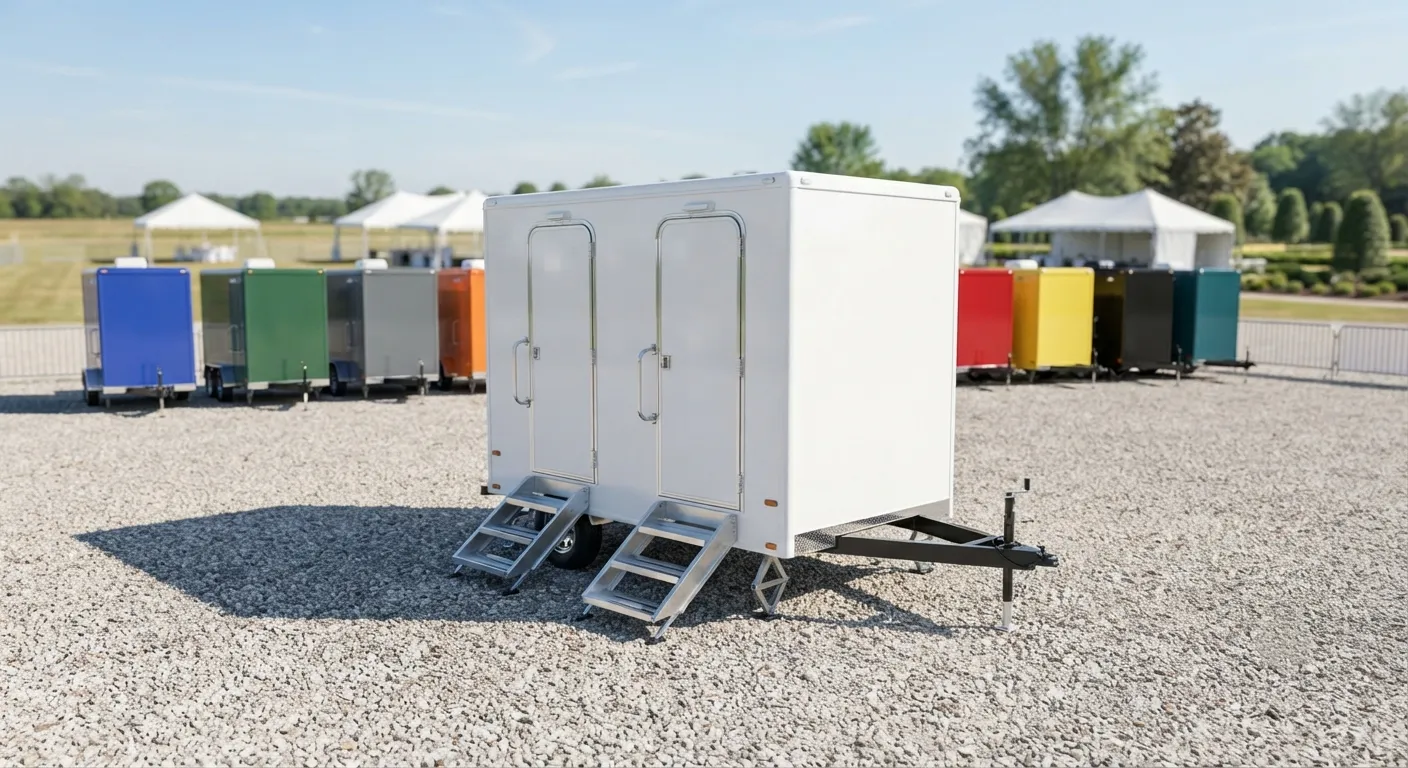
Usually not in the way a public event does, but check anyway. ADA requirements are built around public accommodation and job sites with crews and visitors, not a private residential renovation with no public access. If you're pouring a slab or re-roofing a Hayward house solo or with one or two workers, a home renovation porta potty without an ADA unit is typically fine. The moment the project opens to guests, clients, or the public, like a fundraiser or an open house, the calculation changes and an accessible unit belongs in the order. Weddings and similar gatherings should look at wedding restroom rental for guest-count guidance, since ADA counts scale differently for events than for crews. If a restroom trailer fits the budget better than standalone units, the restroom trailer rental line, including 4 stall restroom trailer layouts, includes ADA-compliant stalls built to the same width and reach standards.
How much more does an ADA porta potty cost to rent in Hayward?
An ADA unit typically runs $230 a day or $185 for a full week, both above standard unit pricing because of the larger shell and hardware. See porta potty rental cost for how that stacks against standard and deluxe units.
Can I rent just one ADA unit without a full order?
Yes. Many Hayward customers add a single ADA unit to round out a small site or event. Request a quote and we'll confirm delivery timing alongside your other units.
Does a construction site legally have to provide an ADA toilet?
OSHA's 1926.51(c)(1) sets toilet ratios by crew size but doesn't itself set the 5 percent ADA threshold; that comes from ADA Standards section 213.2 when units are clustered. Most Hayward GCs order both together.
What's the difference between an ADA unit and a deluxe flushable unit?
ADA units are sized for wheelchair access and reach range. A deluxe flushable porta potty adds a flush mechanism and sink but isn't automatically ADA-sized unless ordered as such.
How far in advance should I book an ADA unit for a Hayward event?
Book as soon as your date and guest count are set. ADA units run in lower supply than standard stock, and pairing the order with porta john rental planning early avoids a last-minute scramble.
Next step
Get a delivery date
Tell us the address, the dates and the headcount. We size the order and confirm the route.